


Freestanding bathtub: a sculpture at the centre of the bathroom
A freestanding bathtub is a tub installed independently, with no need to rest against a wall, and it becomes the focal point of the room. Solid surface versions combine a seamless surface, a warm touch and sculptural shapes, turning your home bathroom into a space dedicated to everyday wellbeing.
Active since 1978, the GP Design artisan workshop today shapes materials such as Krion and Corian, bending them through thermoforming into one-of-a-kind pieces designed for each individual project. A bathtub conceived this way is not just a sanitary fixture: it is a true water sculpture that combines design, comfort and durability.
Why choose a freestanding bathtub
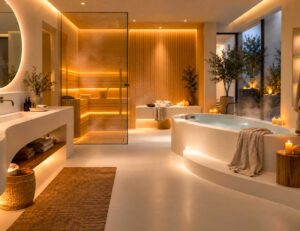
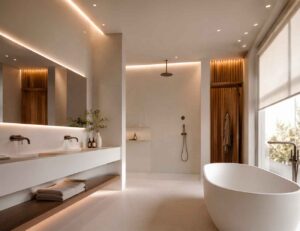
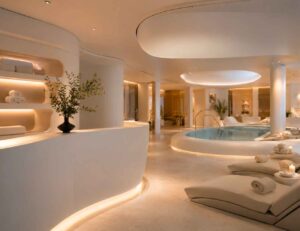
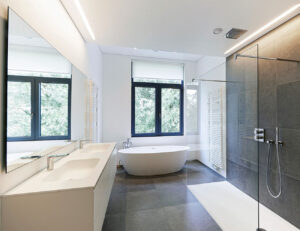
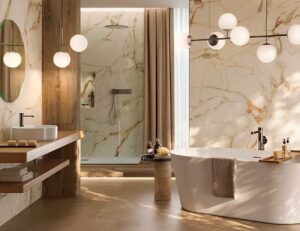
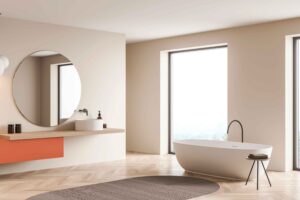
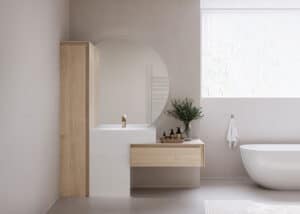
The first reason is compositional freedom: a freestanding bathtub stands away from the walls and can occupy the centre of the room, a spot beneath a window or a scenic corner of the home. The bathroom thus stops being a mere utility room and takes on the refined character of a small home spa.
Then there is aesthetic value: soft, enveloping shapes draw the eye, enhance the space and convey an immediate sense of wellbeing. Practicality matters too. Compared with built-in bathtubs, installation generally requires less building work and leaves more freedom of movement when cleaning the bathroom day to day.
Solid surface, Krion and Corian: material that becomes form
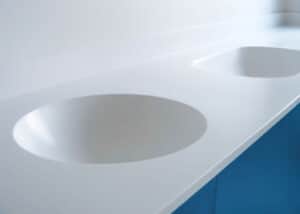
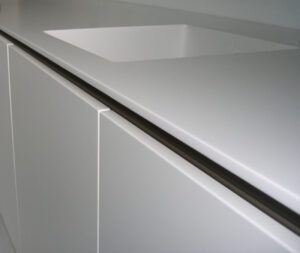
Solid surface is a composite material made of natural minerals and high-strength resins. The surface is compact, non-porous and pleasantly warm to the touch, with a uniform, silky look reminiscent of polished stone. Joints disappear from view and the tub appears as a single volume, sculpted without interruption.
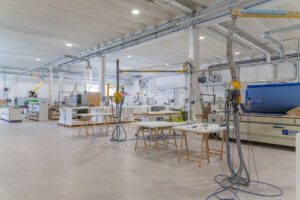
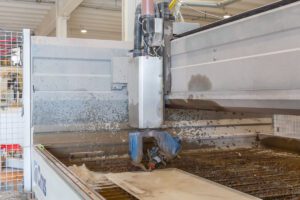
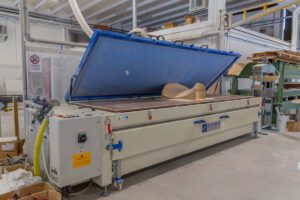
Krion and Corian respond excellently to thermoforming, the technique that bends sheets with heat to obtain continuous curves in a single block. In the GP Design workshop these processes combine CNC machinery with artisan care, so every freestanding bathtub is born exactly as it was designed.
Shapes and sizes: the value of made-to-measure
Oval, rectangular, round or asymmetrical: freestanding bathtubs lend themselves to many formal interpretations, from minimal lines to more organic geometries. A made-to-measure project allows length, depth and backrest angle to be calibrated to the habits of those who will use it, even integrating a comfortable headrest cushion.
Free installation also helps in compact bathrooms: a model with contained proportions, positioned intelligently, gives character to a small room without sacrificing functionality. Double versions, designed for suites and wellness spaces, instead turn the master bathroom into a true daily relaxation ritual to be shared.
Where to position a freestanding bathtub
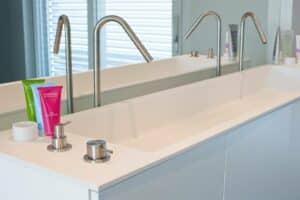
The ideal location starts from the plumbing design. You need floor-mounted supply connections and a drain at the chosen spot, along with floor-standing or wall-mounted taps suited to the position of the tub. Planning these elements during renovation avoids later corrective work and ensures a clean, elegant final result.
Around the tub there must be enough space to move and to clean every side comfortably. The centre of the room enhances the sculptural effect of the freestanding bathtub, while a position in front of a window brings natural light during your bath. A water-resistant floor and good evening lighting complete the scene.
Maintenance, hygiene and durability
The non-porous surface of solid surface absorbs neither water nor dirt and can be cleaned with common mild detergents, with no special treatments. The absence of grout lines and joints eliminates the critical points where limescale and mould build up, a valuable hygiene advantage in a humid environment such as the bathroom.
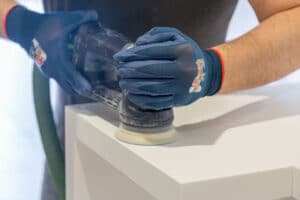
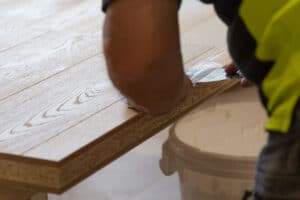
Krion and Corian can also be regenerated over time: minor scratches and dullness are removed with targeted sanding that restores the surface to its original appearance. Alongside production, GP Design offers a dedicated maintenance and repair service for these materials, so the tub keeps its beauty for decades.
FAQs about the freestanding bathtub
How long does a solid surface freestanding bathtub last?
With minimal care it lasts for decades. The material is solid throughout its thickness, so the surface can be renewed several times with a simple professional sanding, coming back practically as good as new.
Can Krion or Corian bathtubs be repaired?
Yes. Scratches, stains and small chips are treated with sanding and polishing, while deeper damage is fixed in the workshop with inserts of the exact same material, for a practically invisible result.
Is a freestanding bathtub suitable for a small bathroom too?
Yes, provided the proportions are studied in the design. There are compact models that enhance even smaller rooms, as long as there is adequate clearance to walk past and convenient access to the plumbing.
A water sculpture for your bathroom
A solid surface freestanding bathtub turns the bathroom into a place to live in, not just to use. Material that is warm to the touch, sculptural shapes and complete freedom of placement create a rare balance between aesthetics and function, set to retain its value over time.
If you would like a made-to-measure sculpted bathtub for your home, GP Design accompanies you from the initial site survey to the technical drawing for approval, right through to installation by specialised fitters. Contact the workshop to give shape to your idea of everyday wellbeing.
Read also: A Home Spa: Wellness as a Daily Ritual